The Strange Little Idea That Became Pure Intention
By Kristina Harley · 5 min read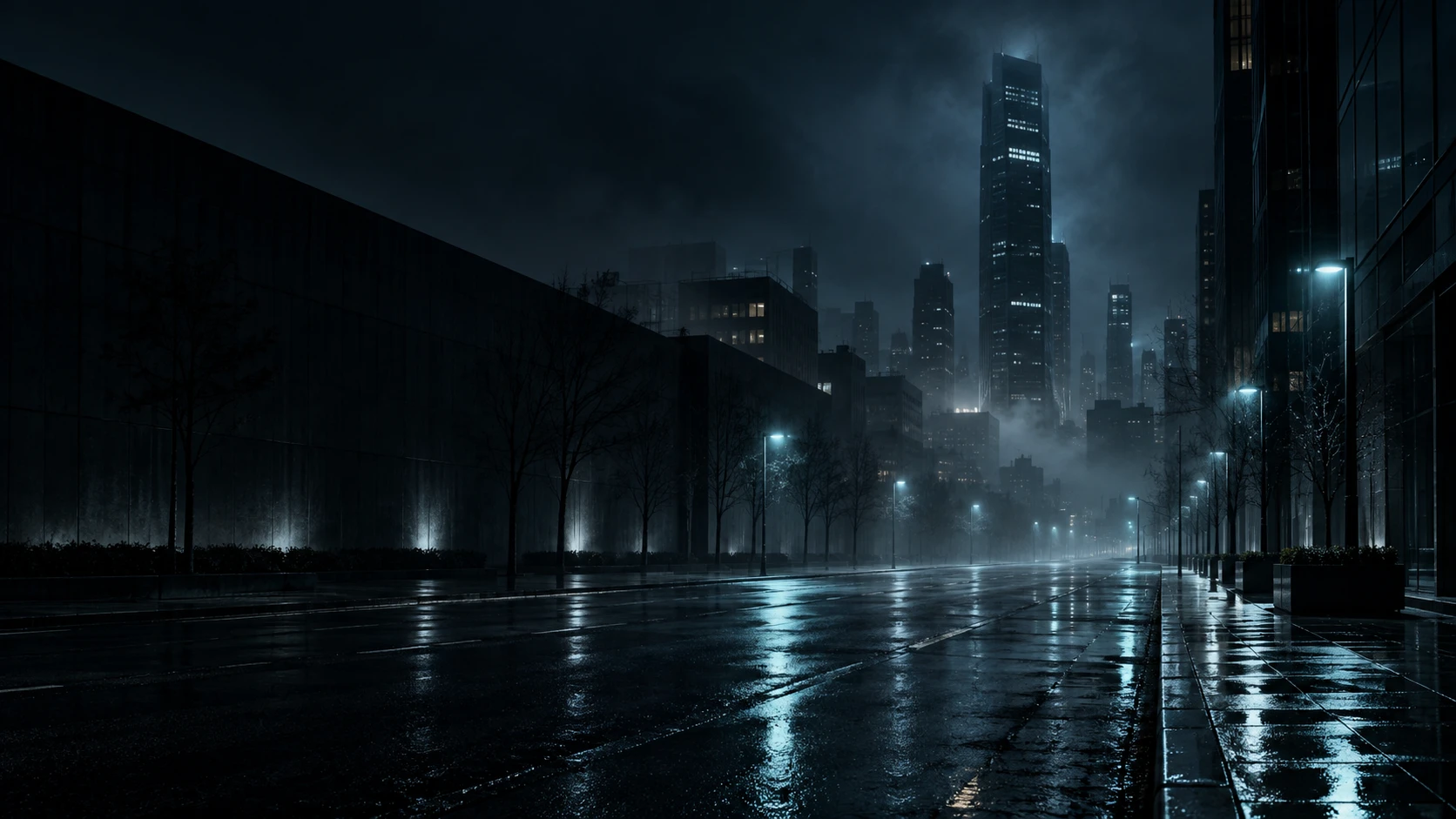
In 2020, my sister Julia kept trying to convince me to take a DNA test.
I resisted for a while. I had my reasons. Part of me was curious, but another part of me was perfectly happy not knowing every detail of my family history. Eventually, though, I relented.
I used a fake name and had the test sent to Julia’s address. It started as a joke, but there was also a little privacy involved. I wasn’t ready to have my name attached to the whole process. I figured I would take the test, get the results, and move on.
Except the results were inconclusive.
That was strange enough. I had followed the directions exactly, so I didn’t understand why the test had not worked. Then, when the package came back, it included another test.
Apparently, they needed more DNA.
That was the point where I started to freak out a little.
Looking back, it probably wasn’t that dramatic. There was likely a perfectly reasonable explanation. But 2020 was not a particularly reasonable year. The pandemic had changed the atmosphere of everything. Conspiracy theories were everywhere. Everyone had too much time to think, too much information to absorb, and not always enough certainty to balance it out.
I never took the second test.
Instead, I started imagining a story.
At first, it was only a few scribbled notes on pieces of paper. Then there were ideas in my phone’s notes app. A character here. A question there. A strange possibility that kept returning whenever I thought I had moved on.
What if the test had been inconclusive for a reason?
What if a person could discover something about themselves that had been hidden for years?
What if the truth was not only about family or blood, but about identity, choice, and the parts of ourselves we try to bury?
That was how Pure Intention began.
The DNA test part is true. Everything after that is fiction.
Pure Intention is a novel of magic and redemption, but it also grew out of a very ordinary moment: a package, an inconclusive result, and a second test I never took. The real event gave me the spark. The rest came from the places fiction always takes us, into questions that are too large, too strange, or too personal to answer directly.
For years, I kept writing.
I wrote when I had time, which was not often. I worked a full-time job. I had a family. There were bills, errands, responsibilities, and all the general life duties that have a way of filling every available space. The book stayed with me anyway.
Eventually, I had to make some decisions that felt almost as intimidating as writing the book itself.
Did I want to publish under my real name?
Did I want to use a pen name?
How much of myself did I want to put in front of readers?
And what was I going to do about the cover?
I have a background in graphic design, so I knew I would have opinions. Probably too many opinions. I also knew I did not have unlimited time or a large publishing budget. In the end, I chose a hybrid approach. I used a pen name, but I kept the design process very personal.
I spent hours working on the cover.
I want to be honest about the cover, because I think honesty is the best policy here: I used AI to help create it.
I know that is a sensitive subject for a lot of readers and artists, and I understand why. I am not suggesting AI should replace anyone’s creative process, and it did not replace mine. AI is here, and it is a tool. How, or whether, someone uses it is their choice. I used it to get the foundation of my idea onto the screen, somewhere I could actually work with it.
Then I brought those pieces into Affinity and spent hours changing, adjusting, and rebuilding them until the cover finally looked like it belonged to this book. The first versions were not right. Some were close. Some were impressively wrong. Some made me laugh.
If you look closely, you can probably tell. I would rather tell you myself than leave you wondering.
I had not used Affinity in a while, and I was surprised to discover that it had been bought by Canva. I did not love the new format at first. I kept reaching for tools that had moved or changed, and I had to relearn where some of my old tricks were hiding. Still, once I settled back into it, the familiar part of me returned.
There was something satisfying about taking an idea that had started as a strange little thought during the pandemic and giving it a physical form.
The hardest part was not designing the cover or formatting the book. It was deciding that I was actually going to let someone else read it.
I have been holding on to this release for a while. That is the honest version. Publishing a book is exciting, but it is also vulnerable. Once the story leaves your computer, it no longer belongs entirely to you. Readers bring their own experiences to it. They notice things you never intended. They may love a character you barely understood while writing them. They may dislike something you thought was perfect.
That is part of the bargain, and I am still getting used to it.
I also probably would not have made it this far without my friend Melissa. She has provided the kind of gentle nudges that are easy to underestimate until you realize they are the reason something finally moved forward.
Every so often, she would ask about the book. Or remind me that I had already done more than I thought. Or encourage me to take the next small step instead of waiting until I felt completely ready.
I still do not feel as if I am ready, but I am not sure I would have reached this point without her.
Thank you, Melissa.
Pure Intention is planned for release in late fall.
And because apparently one book was not enough, I am already halfway through Book Two, which is expected in 2027.
I still feel nervous about releasing this story. I suspect I will feel nervous right up until the moment it is available, and possibly for a while afterward. But I am also ready to stop keeping it to myself.
A strange DNA test started the whole thing.
The second test remains unopened.
The story, however, is finally ready to be read.